
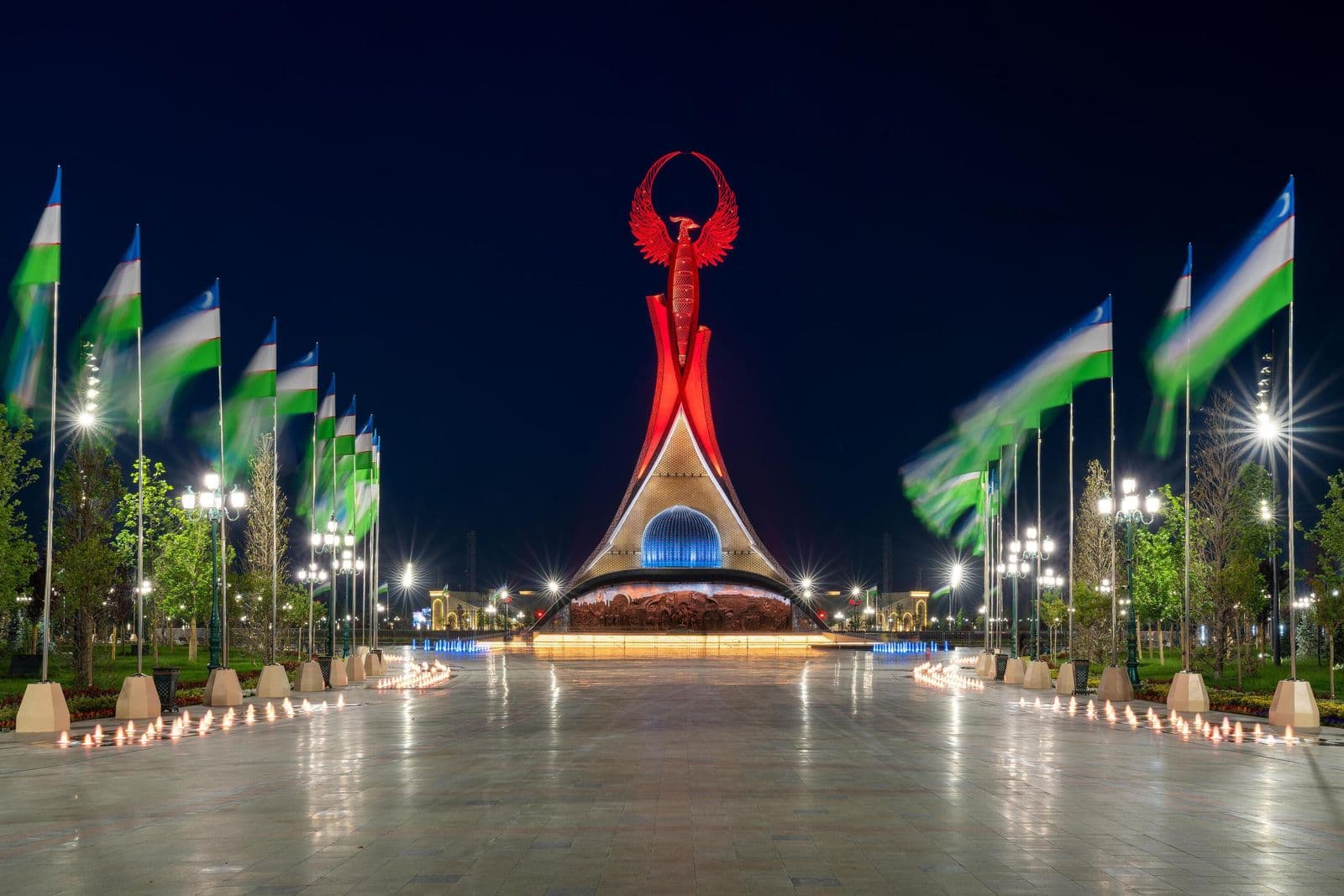
Tashkent
A first look
Tashkent is where almost every trip to Uzbekistan begins, and the part most people plan to get through rather than to see. That is a mistake, though an understandable one: the capital does not announce itself with domes and portals. It reveals itself in mosaics on apartment blocks, in the shade of plane trees along enormous avenues, and in the smell of a bazaar that has traded on the same ground for centuries.
It is also the most modern city in Central Asia, which makes it the best place to eat, the easiest place to arrange things, and the clearest window onto how the country lives now rather than how it lived under the khans.
What to see
A capital rebuilt twice
Tashkent is old — a stop on the caravan roads long before it was anyone’s capital — but very little of that city is visible today, and there are two reasons. The first is the arrival of the Russian empire, which laid a new European town alongside the old mahallas and left the country with two Tashkents side by side.
The second is the earthquake of 1966, which flattened much of the centre. What went up afterwards was a showcase of Soviet planning: wide boulevards, generous parks, apartment districts built by teams sent from across the union, and public buildings faced in mosaic and concrete lattice. Independence added glass towers and a new civic centre on top of that. The result is a city of layers that argue with one another, which is more interesting than it sounds.
How the city is laid out
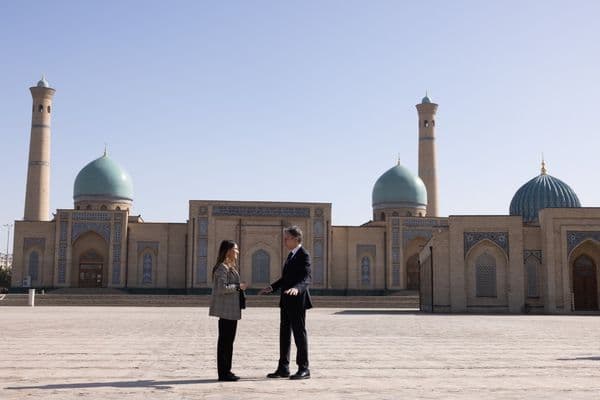
Think of it as two cities that grew into one. The old town in the north-west is a low, dense quarter of lanes and courtyard houses around Chorsu Bazaar and the Hazrati Imam complex, and it is where Tashkent still feels like the rest of the country.
South and east of that runs the planned city: long straight avenues, squares big enough to be uncomfortable on foot, fountains, and the theatres and museums of the Soviet decades. Beyond that again is the new Tashkent of towers and business districts. The metro stitches all three together, and because the distances are large and the summer is severe, most visitors end up riding rather than walking.
The palaces underground
The metro deserves a visit of its own. It was the first underground railway in Central Asia, built deep enough to serve as a shelter, and each station was designed as a separate work rather than a variation on a template.
One is faced in blue tile and named for a poet; another carries relief panels of cotton bolls; another is lit by chandeliers that would suit a concert hall. For decades photography was forbidden because the stations counted as strategic objects, and the ban lifted only recently, which is why the network is less famous than it deserves. Ride a few stops in either direction and get out wherever the platform looks interesting — it is the cheapest architecture tour in the city.
Bazaars and what arrives here
Chorsu is the one to see: a great ribbed dome over the food halls, meat and dairy beneath it, spice and dried fruit around the rim, and everything else spilling into the streets outside. Go in the morning, when the bread is coming out of the ovens and the sellers still have patience.
Craft in Tashkent is less about one local tradition and more about everything in the country arriving in one place. The applied arts museum shows the range and the shops around it sell it. If you want suzani, ceramics or ikat and you are short of time, this is the practical place to buy, though prices are naturally higher than in the towns that make them.
What to eat
Tashkent takes plov seriously enough to have a building dedicated to it, where cauldrons the width of a table are worked in the open and the rice is served until it runs out, usually by early afternoon. The local version is stirred rather than layered, richer and darker than the Samarkand style, and often crowned with quail eggs and horse sausage.
Beyond plov the city eats broadly: Korean salads sold by the ladle in the bazaars, a legacy of the deportations of the last century; Uyghur noodle houses; Georgian and Turkish kitchens; and a young cafe scene doing serious coffee. This is the one place in the country where the choice is genuinely wide.
Where it fits in a route
Nearly everyone starts here, because this is where the international flights land. The usual pattern is a night on arrival, then the fast train west to Samarkand, with the capital saved for the return leg — which works, though a full day at the start helps with the time difference.
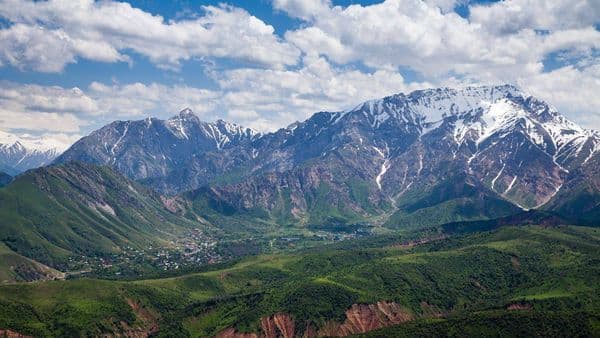
East of the city the road climbs into the Chatkal range towards Chimgan and the Charvak reservoir, close enough for a day out and a complete change of landscape. Further east again lies the Fergana Valley, reached through a mountain pass and worth several days on its own. Tashkent is the hinge between all of it.
Tours that visit Tashkent
All tours →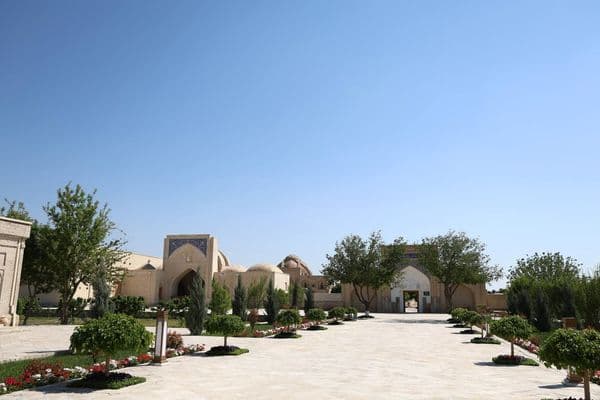 Pilgrimage
Bahauddin Naqshband Pilgrimage (2 Days)
 Pilgrimage
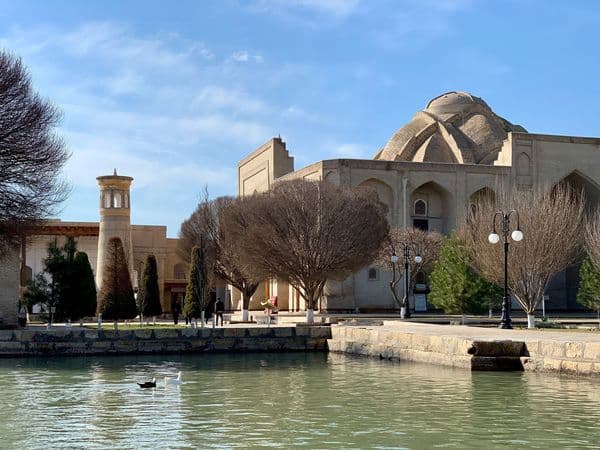
Seven Pirs of Bukhara — Sufi Pilgrimage (4 Days)
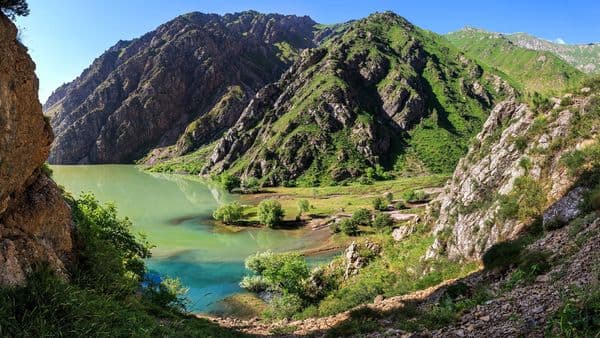
Urungach Jade Lakes — Jeep & Hike Day Trip
 Most popular
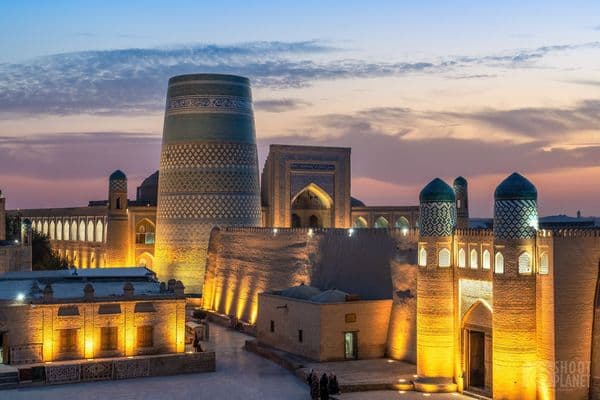
Classic Uzbekistan — Tashkent, Khiva, Bukhara & Samarkand (8 Days)
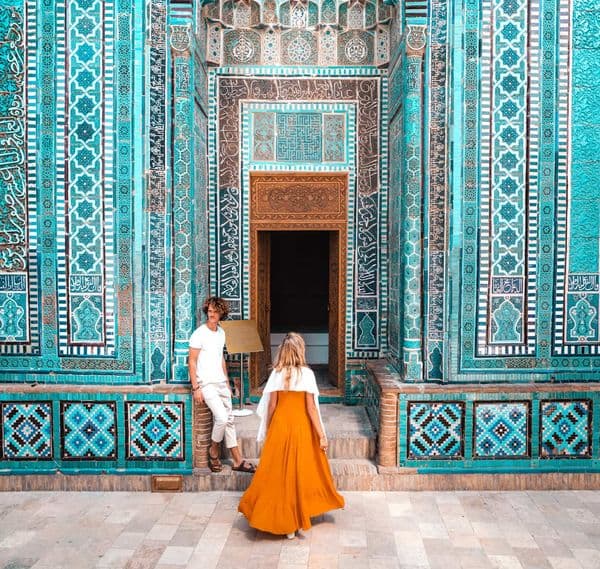
Majestic Triangle + Chimgan Mountains (7 Days)
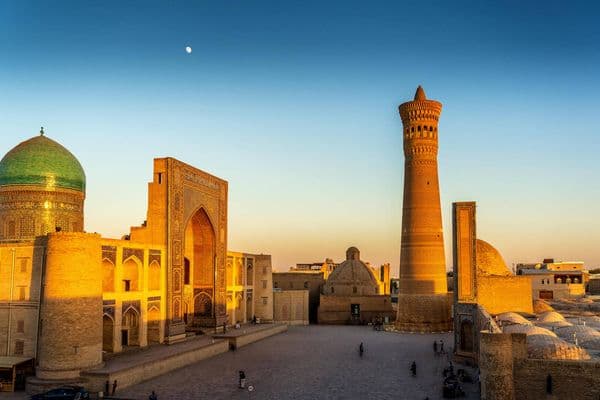
Majestic Triangle — Tashkent, Bukhara & Samarkand (6 Days)
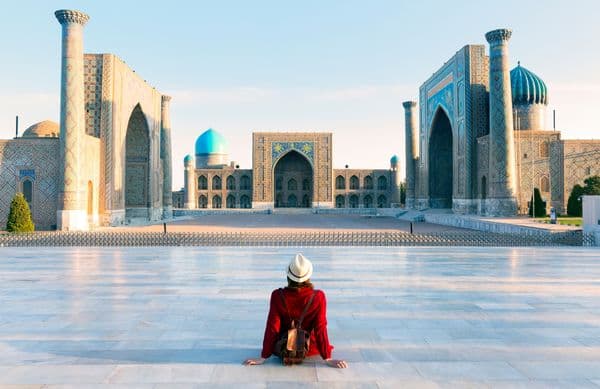
Samarkand by High-Speed Train — Day Trip from Tashkent
Chimgan Mountains & Charvak Day Trip
Tashkent City Day Tour
No payment now. We reply with a tailored plan within a few hours.