
Zaamin
A first look
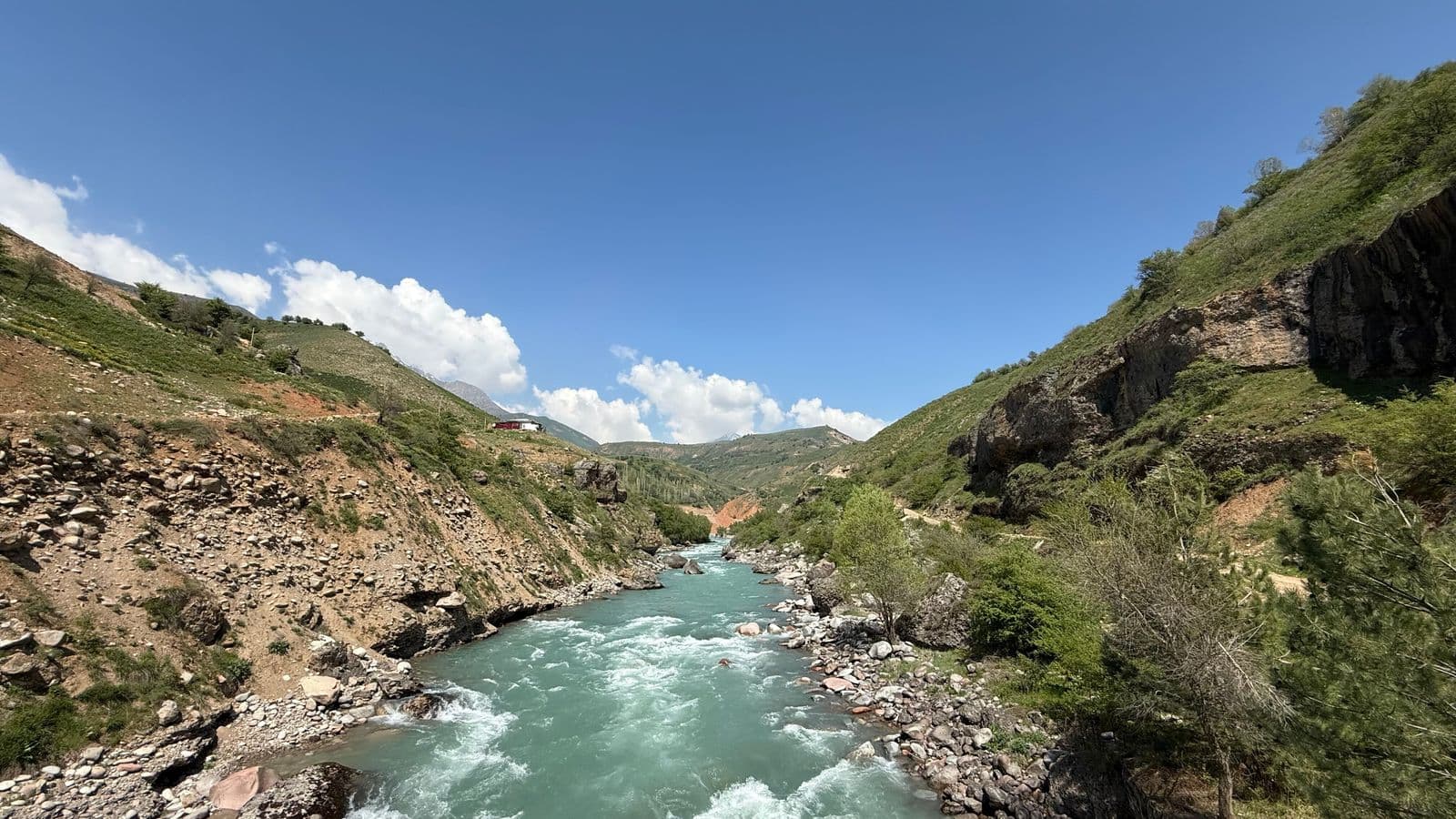
Zaamin is a mountain district in the Jizzakh region where juniper forest covers the slopes and the air is the local product. It is marketed as the Uzbek Switzerland, which sets the wrong expectation — this is drier, browner and more austere than that — but the mountains are real and the forests are genuinely unusual.
It has been a health resort for a long time, and a recent round of investment has added a cable car and a glass bridge on the plateau above. The result is a place that works for two entirely different visitors: those who want to walk in a quiet range, and those who want a viewing platform and a photograph.
What to see
The juniper mountains
The archa, the Central Asian juniper, is what makes this district what it is. It grows slowly in poor soil at altitude, lives to a great age, and holds the mountainside together where nothing else would. Whole slopes here are covered in it, which is rare enough in Uzbekistan to be the reason the national park exists.
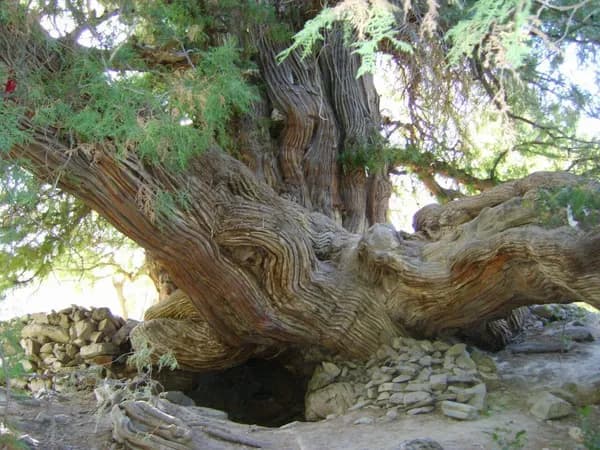
The forest smells of resin on a warm day and the trees have the twisted, wind-shaped forms that come from growing exposed for centuries. One patriarch, known as Magol, is the district’s landmark tree and is treated as a minor shrine, with visitors coming specifically to stand under it.
The national park
Zaamin National Park protects the forest and the animals in it, and it is one of the older protected areas in the country. Ibex, wild boar, wolves, porcupines and a long list of birds live here, and the higher valleys are quiet enough that seeing something is a realistic hope rather than a marketing claim.
Access is by a road that climbs from the town through the forest to a series of sanatoria and rest houses, most of them dating from the Soviet decades and functioning much as they did. The walking is on forest tracks and open slopes rather than a marked path network, so a local guide is worth having if you plan to go far.
The Suffa plateau
Above the forest the ground opens into a high plateau, and this is where the recent development has gone: a cable car up from the valley, a glass-floored suspension bridge over a gorge, and viewing points along the rim. It is unashamedly built for visitors and it is popular, particularly at weekends.
The plateau itself is worth the ride regardless of the attractions on it. The view runs out over the ranges to the south and the air at this height is noticeably thinner and colder than in the valley. Bring something warm even in summer; people regularly arrive in shorts and regret it as soon as they step out at the top.
Canyons and water
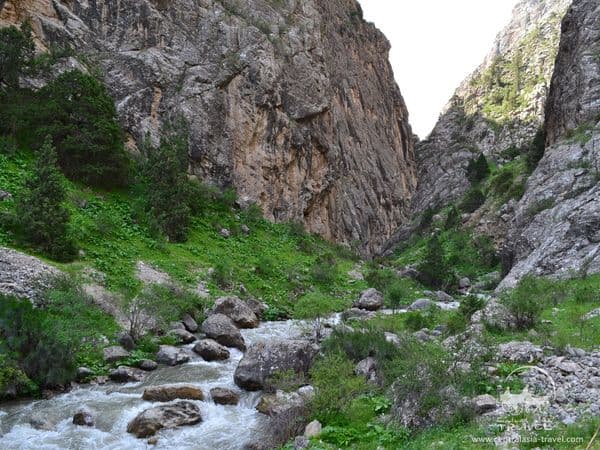
Chortanga is the canyon to walk. It is a deep, narrow cut in the rock with a clear river at the bottom, and the path follows the water between walls that close in overhead in places. It is cool even in high summer, which makes it the obvious choice on a hot day.
There are springs throughout the district, several of them considered curative and visited for that reason, and small waterfalls in the side valleys after the snowmelt. The water is the reason the sanatoria are here, and it remains the main draw for domestic visitors even as the plateau attracts a different crowd.
A few practical notes. The road up from Zaamin town is paved but steep, and the last section is slow, so allow more time than the distance on a map suggests. Accommodation ranges from Soviet-era sanatoria offering treatment programmes to newer guesthouses and a hotel near the cable car, and it fills at weekends and through the summer. Book ahead in the warm season, and bring layers whatever the forecast says down on the plain. Mobile coverage is patchy above the treeline, so agree a meeting point with a driver rather than assuming you can call one.
Seasons
Late spring and early autumn are the best windows. Spring brings meltwater and green, the canyon runs full, and the temperature at altitude is comfortable while the plains below are already warming. Autumn is dry, clear and quiet, with the juniper dark against pale grass.
Summer is the busy season for domestic visitors escaping the heat, so the district is at its fullest then and still far cooler than the plain. Winter brings snow, and part of the district closes; the plateau attractions may not run and the upper roads can be difficult.
Where it fits in a route
Zaamin sits between Tashkent and Samarkand, off the main road to the south, which makes it an easy overnight detour on a leg most people drive without stopping. It works as a break in the standard route rather than as a destination in itself.
It suits travellers who want a day of mountains and forest without going as far as the Fergana ranges, and families, for whom the combination of easy walking, a cable car and a bridge is more practical than a serious trek. Give it a night; a day trip from either city leaves too little time on the mountain.
No payment now. We reply with a tailored plan within a few hours.