
Ugam-Chatkal National Park
A first look
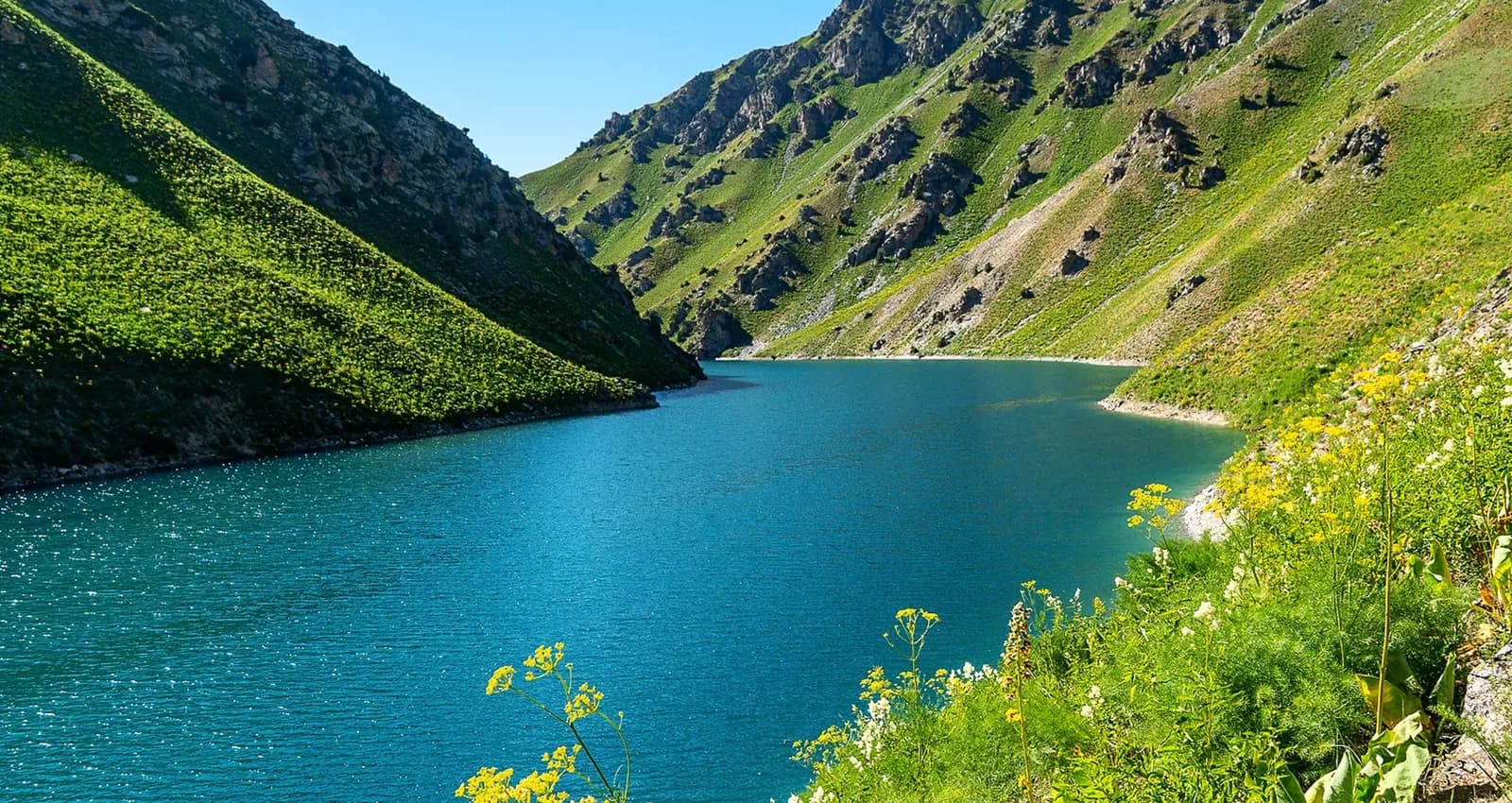
Ugam-Chatkal is the largest protected mountain area in the country, taking in two ranges, several river valleys and a set of lakes that are the reason most people come. It is wild in a way that little else in Uzbekistan is: no ski lifts, no resort development, and roads that end where the walking starts.
The park sits behind the Charvak reservoir, so it is reached through the same district but continues well beyond it. Where Chimgan is a day out from Tashkent, this is a place to camp, walk and be out of contact for a while.
What to see
What the park protects
The reserve covers the western Tien Shan on the Uzbek side: juniper and walnut forest on the lower slopes, alpine meadow above, bare rock and permanent snow on the tops. It holds wild apple and other fruit trees that are ancestors of cultivated varieties, which is part of why the area matters scientifically rather than only scenically.
Ibex, marmots, snowcock and a long list of raptors live here, and the higher valleys are remote enough that large animals still use them. Some zones are strictly protected and require permits, which is worth checking before planning a route rather than after arriving at a barrier.
The Urungach lakes
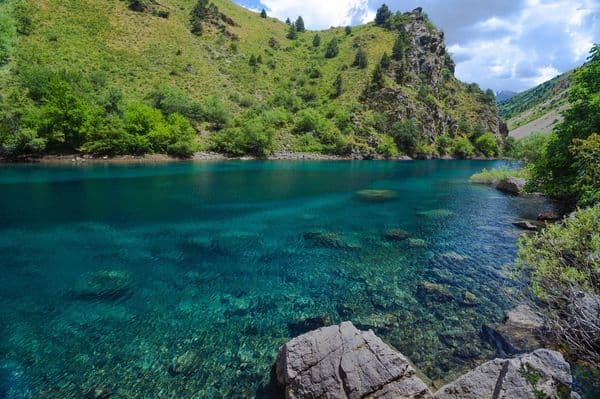
The jade lakes are the headline. Two lakes sit in a rock cirque at the head of a valley, and the colour is startling — a saturated blue-green produced by mineral suspension, strongest in early summer when the melt is feeding them.
The lower lake is a straightforward walk from the road head, the upper one is a longer and steeper continuation, and both are busy at weekends in season. Come on a weekday, start early, and the place is quiet. The colour is at its best in bright light around the middle of the day, which is the one argument for not starting at dawn.
Rivers, valleys and camping
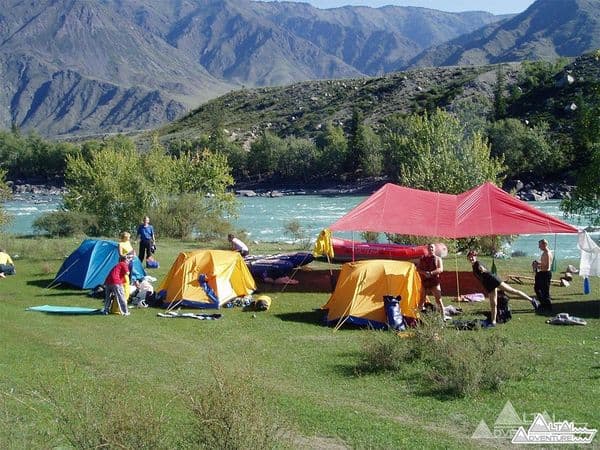
The Pskem valley is the other main direction, running deep into the range along a fast river. There are villages along the lower part and then nothing, and camping by the water is the normal way to spend a night here. Badak is an alpine lake in a hanging cirque for those who want a harder day and fewer people.
Waterfalls come off the side valleys, fed by snowmelt, and they are at their strongest in spring and weakest by late summer. Wild apple, hawthorn and walnut grow in the lower valleys, and in autumn the fruit is everywhere and free.
Camping here is genuinely wild camping. There are no designated sites with facilities inside the park proper, water comes from the rivers and should be treated, and there is nowhere to buy anything once the last village is behind you. Fires are a real hazard in the dry months and are restricted in places. Take everything out again: the valleys that get the most traffic already show the difference between visitors who do and visitors who do not.
Mountain weather here deserves respect rather than caution. Storms build quickly in the afternoon through summer, the temperature drops sharply once the sun leaves a valley, and a river that is ankle-deep in the morning can be waist-deep by late afternoon when the day’s melt arrives. None of this is exotic — it is ordinary mountain behaviour — but the country around it is dry enough that visitors regularly arrive unprepared for it.
Walking here
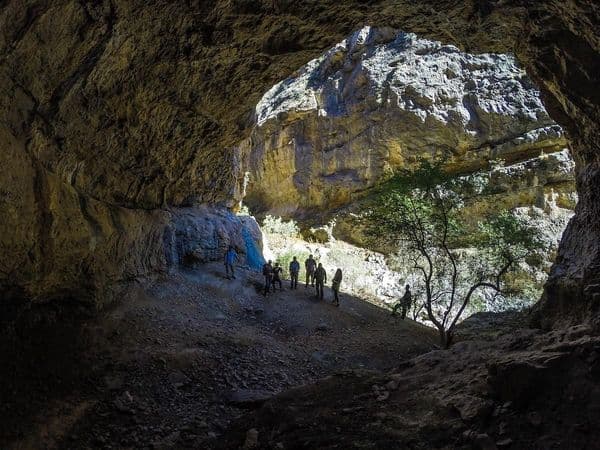
This is not a park with a marked trail network and huts. Routes follow riverbanks, shepherds’ tracks and old logging roads, and the standard approach is either a day walk from a road head or a guided multi-day trip with support. Weather changes fast at altitude and the rivers are cold and strong in spring.
For a first visit, a guide is the sensible choice — not because the walking is technical, but because knowing which valley is open, which crossing is passable and where the permit boundary runs saves an entire day. For the same reason, ask before you drive: the road conditions here change with the season.
Seasons
Late spring through early autumn is the working window. May and June give the strongest water and the best lake colour but also the most difficult river crossings; the second half of summer is drier and easier underfoot. Early autumn is the connoisseur’s choice: stable weather, fruit in the valleys, and almost nobody about.
Winter closes most of it. Snow blocks the upper roads, the lakes freeze and the valleys are for ski touring rather than walking. The lower parts of the district remain reachable from Charvak, but the park proper is a spring-to-autumn destination.
Where it fits in a route
The park is reached from Tashkent through the Charvak district, so it fits at either end of a trip when the capital is the entry and exit point. A minimum of two days makes sense — one to reach a valley and one to walk it — and a week is not too much for anyone who came for mountains.
It pairs naturally with Chimgan and the reservoir for travellers who want a mix of comfort and wilderness, and it is the obvious counterweight to a route otherwise made of desert cities. Bring proper footwear; this is the one destination in the country where trainers are genuinely not enough.
No payment now. We reply with a tailored plan within a few hours.