
Sangardak & Denau
A first look
This is the green south. Surkhandarya is the hottest region in the country, but the mountains at its northern edge catch enough water to support walnut groves, subtropical gardens and a waterfall that comes straight out of a cliff face — which is not something the rest of Uzbekistan offers.
Denau is the town, an old settlement on the road towards the border with an arboretum that is the botanical highlight of the country. Sangardak is the waterfall further up into the hills. Together they make a stop that has nothing to do with tilework and everything to do with water.
What to see
The south that is green
The Hissar range runs along the north of Surkhandarya and rings the plain with mountains that hold snow into early summer. What comes off them irrigates a lowland warm enough to grow subtropical fruit — this is the part of the country where lemons, persimmons and pomegranates do well, and where spring arrives first.
The contrast with the desert districts is total. Instead of sand and mud brick you get orchards, river valleys, poplars along the roads and villages under walnut trees. Travellers arriving from Bukhara or Khiva often find this the most surprising landscape in the country simply because it does not fit the mental picture.
The waterfall
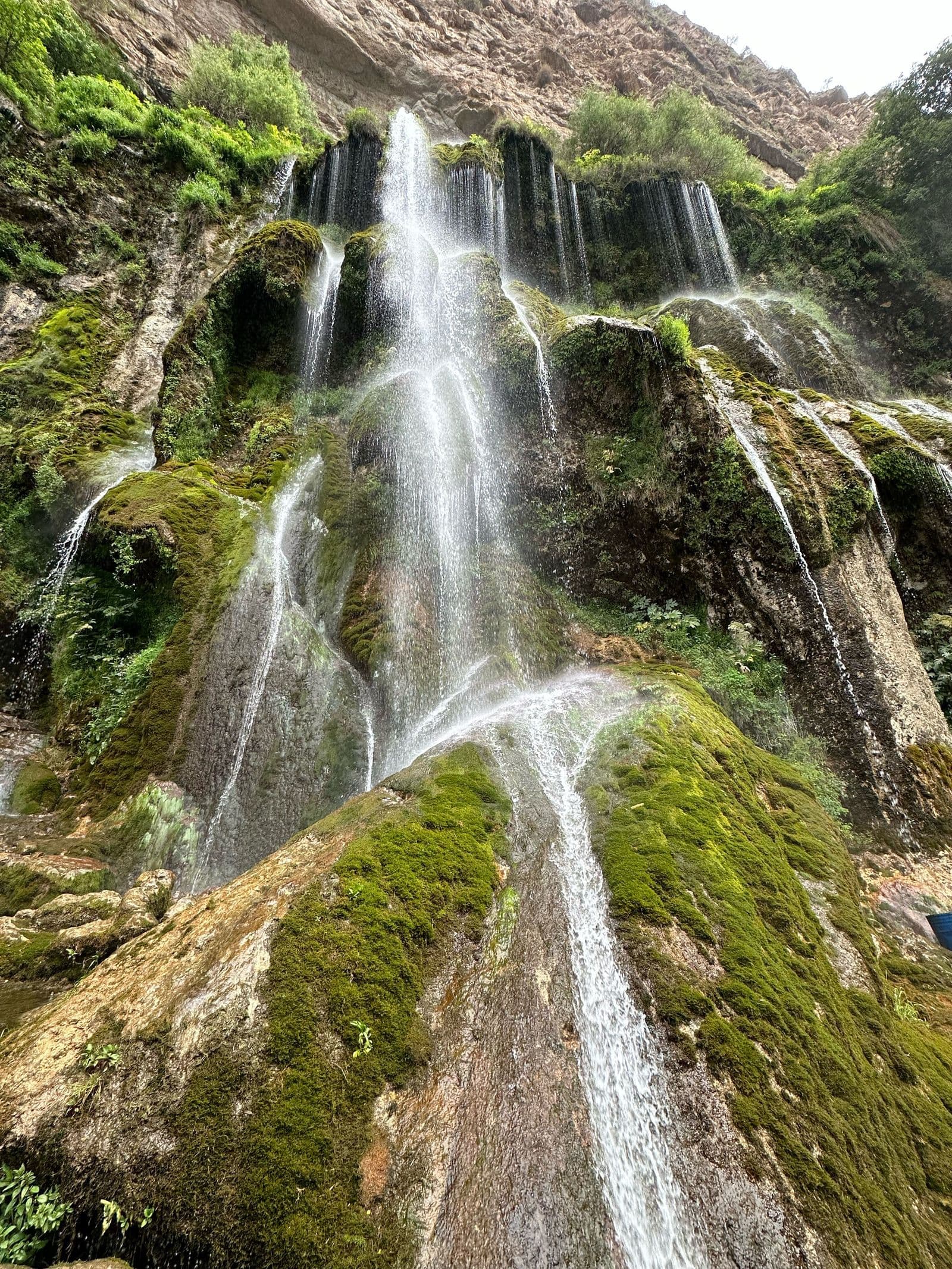
Sangardak does not fall from a stream running over an edge — it emerges from the rock face itself, where an underground flow reaches the cliff, and comes out in a broad curtain that spreads and breaks over moss-covered stone. That is what makes it worth the drive: the water appears from nothing, halfway up a wall.
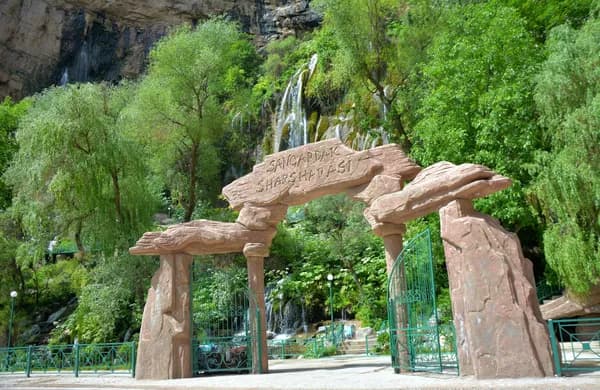
A wooden stairway and walkway run down the gorge to the base, and the whole thing is set among trees, so the approach is shaded and the noise builds as you descend. Spray keeps the gorge cool and green even in high summer. It is busy with domestic visitors at weekends and quiet the rest of the time.
The site has developed a good deal in recent years: parking above, a stairway down, tea houses and grill places along the approach. It is a domestic destination first and foremost, which means crowded at weekends and holidays and close to empty midweek. Footwear with grip matters more than you would expect — the wooden steps and the stone at the bottom stay wet all year from the spray.
Above the falls the stream runs on through a valley worth walking if you have the time. The path follows the water up past smaller cascades and pools, the crowd thins within minutes, and walnut and plane trees shade the whole way. Most visitors photograph the main fall and leave, which means the better part of the gorge is usually empty.
Denau and the arboretum
The arboretum outside Denau was planted as a research collection and has grown into a park of rare trees from across the world, laid out in shaded alleys. For a country where most public greenery is plane trees and roses, it is an unusual place: species you would not expect at this latitude, mature and thriving.
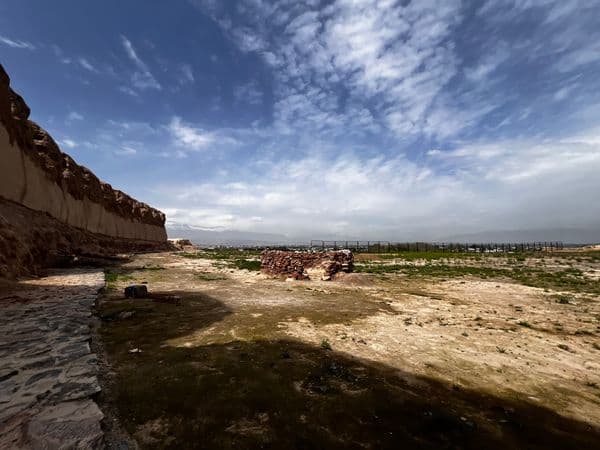
The town itself has the ruins of an old fortification and a bazaar that reflects the mixed agriculture of the district — this is fruit country, and the market shows it through a long season. Denau is also the practical base for the area, with more choice of places to stay than anywhere else nearby.
Gorges and roads
Khondiza is the gorge to drive if you have a vehicle that can take it: a valley running up into the range with a wild river, walnut forest, and villages that see very few outsiders. There is walking here for anyone who wants it and no infrastructure at all for anyone who needs it.
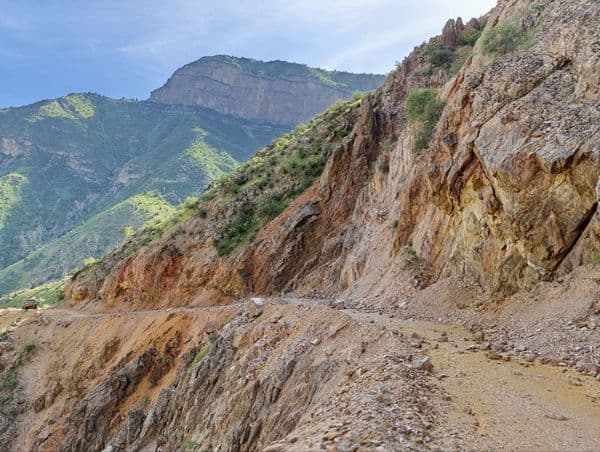
The roads through this district are the attraction as much as the destinations. Between Boysun and Denau the route crosses mountain country with long views and frequent reasons to stop, and the drive is a large part of why people who come here rate the region so highly.
Seasons
Spring is exceptional and comes early — this is the first part of the country to green up, and the waterfall is at full volume with the snowmelt. Autumn is the other good season, with the walnut and fruit harvest and comfortable temperatures in the hills.
Summer is severe on the plain and bearable in the gorges, which is exactly why domestic visitors come to Sangardak then. Winter is mild by national standards at low altitude and snowy higher up; the waterfall in winter is a different and quieter sight, and the road to it may need checking.
Where it fits in a route
This district is part of the southern loop: Karshi, Boysun, Denau, Termez, with the mountains in the middle and the border at the end. It is a long way from the classic Silk Road route and it is reached by flying to Termez and driving north, or by driving the whole way south from Samarkand.
Give the area a night in Denau at minimum, two if you intend to drive a gorge as well as see the waterfall. Travellers who make the effort to get this far south almost always report that the mountains, not the monuments, were the reason it was worth it.
No payment now. We reply with a tailored plan within a few hours.