
Parkent & Sukok
A first look
Parkent is the foothill district closest to Tashkent, and it is where the city goes when it wants lunch rather than a mountain. Vineyards, pine woods, streams with teahouses built over them, and a reputation for grilled meat that people from the capital defend with some seriousness.
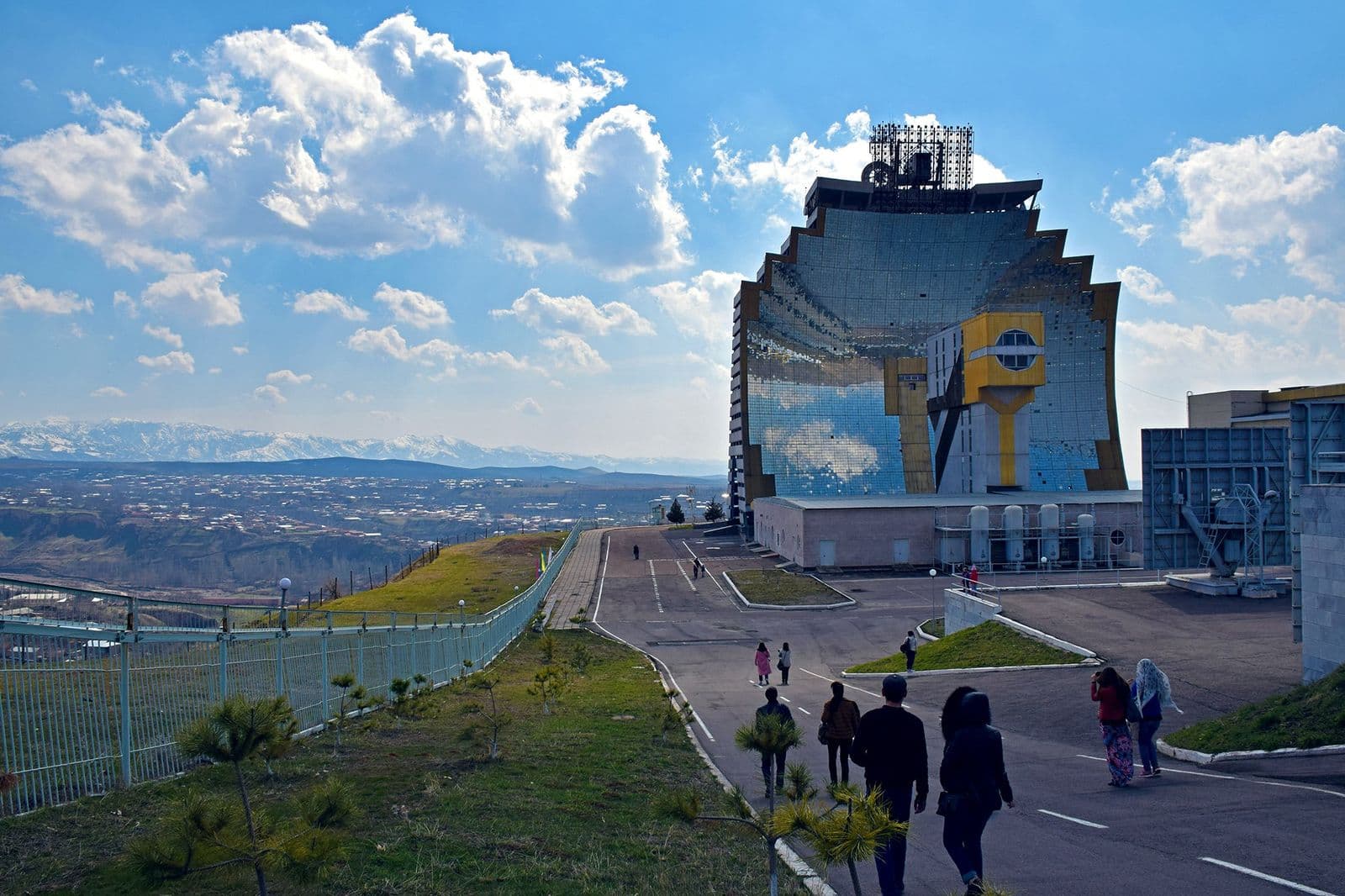
It also holds one of the strangest structures in the country: a giant parabolic mirror built to concentrate sunlight into a furnace, which is a working scientific installation and looks like something from a different century of the future.
What to see
The nearest foothills
The district sits where the plain begins to rise towards the Chatkal range, close enough to Tashkent to be an easy outing and high enough to be noticeably cooler. The landscape is orchards and vineyards on the lower ground, then pine and juniper as the road climbs, with streams coming down through the villages.
It has been the capital’s picnic country for a very long time, so the infrastructure is teahouses and roadside grills rather than hotels. This is a place to spend a day, not a base to stay in — although a few guesthouses have appeared as the district has become more popular.
The solar furnace
The Sun Institute installation above Parkent is a research facility that concentrates sunlight from a field of tracking mirrors onto a single enormous parabolic reflector, producing temperatures high enough to melt refractory materials. It was built as a serious scientific instrument and it still functions as one.
Visits are possible and worth arranging in advance. Standing in front of the mirror array is the point: the scale is industrial, the geometry is strange, and the demonstration — where they focus the beam and something ignites almost instantly — makes an impression that no description manages. It is the least expected thing in this district by a wide margin.
Pine, vine and water
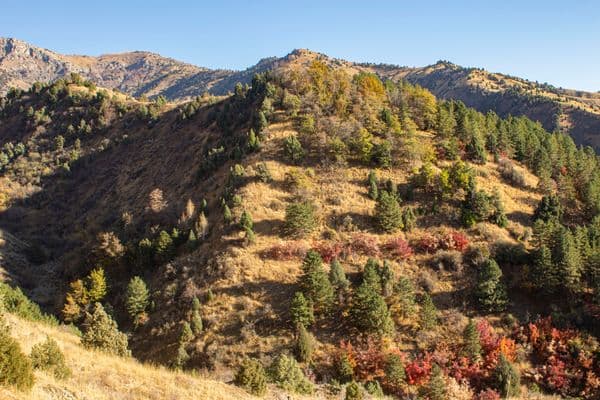
The Sukok pine forest is unusual for this region, where conifer at low altitude is rare, and it is the reason people come here specifically to breathe. There are springs, shaded walking and enough shade that summer is genuinely pleasant rather than merely survivable.
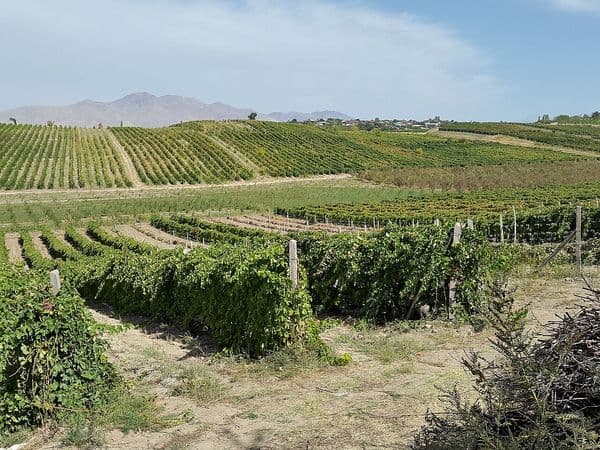
The vineyards are the other local product. Estates in the foothills grow and press, and several receive visitors for tasting on terraces looking back towards the plain. Uzbek wine is not what brings people to the country, but the setting does a great deal of work and the local table grapes are outstanding regardless.
The table
Parkent shashlik is the reason many people drive out here at all. The formula is lamb, a wood fire, and restraint about everything else, and it is served in the same places it has been served for decades — riverside kitchens with platforms over the water where you sit on carpets and lose the afternoon.
Around it come the usual accompaniments: fresh bread, sliced onion with sumac, tomato salad, green tea, and fruit from the surrounding orchards. It is not sophisticated cooking and it is not trying to be. This is the country’s best argument for driving out of a city to eat outdoors.
A practical note on how these places work. You choose your meat at the counter, it goes on the fire, and it arrives when it arrives — most have no menu and none of them have any hurry. Tea comes first and keeps coming. Payment is by weight of meat, and portions are calculated on the assumption that you are staying for the afternoon rather than eating and driving on.
The district also does an unusual amount of small-scale food production for somewhere this close to a capital city: honey from the foothills, dried fruit, walnuts, and grapes both for the table and for pressing. Roadside stalls sell all of it, quality varies, and tasting before buying is expected rather than presumptuous. This is the sort of place where the drive home takes far longer than it should because of how often you stop. Go hungry and leave room in the car.
Seasons
Spring and autumn are the pleasant windows, with blossom in the first and grape harvest in the second. Autumn is arguably the best, because the vineyards are working, the fruit is at its peak and the weather holds.
Summer is when the district earns its reputation, because it is cooler than the city and shaded, and it is correspondingly busy at weekends. Winter is quiet and many of the outdoor places close, though the solar installation runs year round and the pine forest under snow has its own appeal.
Where it fits in a route
This is a half-day or full-day trip from Tashkent, and it is the obvious thing to do with an arrival or departure day when a mountain trip is too much. It combines easily with Chimgan and Charvak into a single loop for anyone with a full day and a car.
For travellers interested in food specifically, this district plus a morning in Chorsu bazaar is the most efficient food day available near the capital. Arrange the solar installation visit in advance if you want it; turning up unannounced does not reliably work.
No payment now. We reply with a tailored plan within a few hours.